
Winthrop Center
Winthrop Center
Energy-efficient HVAC flow control supporting one of Boston’s most innovative and sustainable high-rise developments.
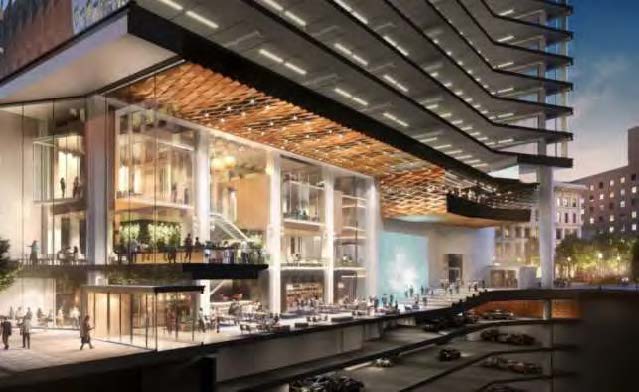
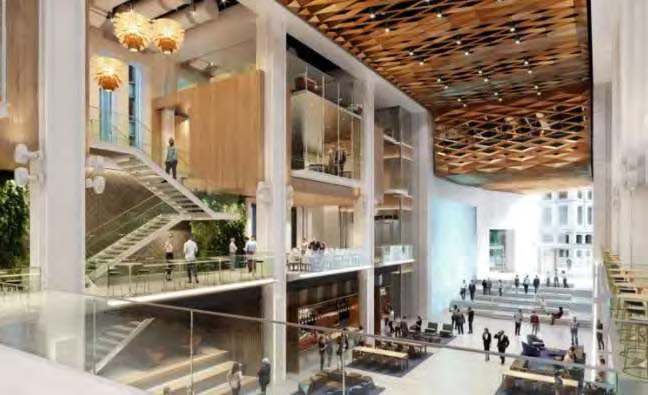

Photos from Fast Company
Facility Description
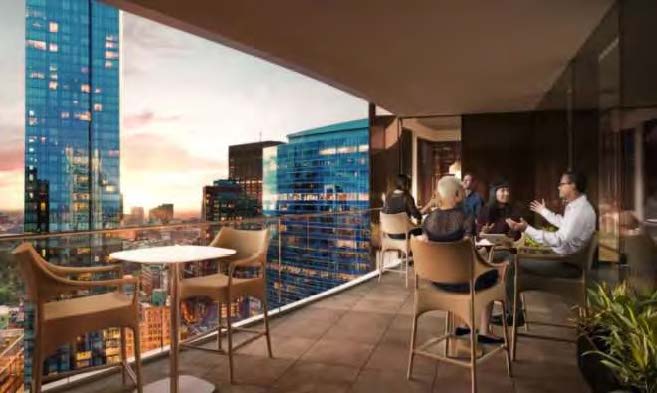
Massachusetts is home to world-class institutions and historic landmarks such as MIT, Fenway Park, and the site of the Boston Tea Party. Winthrop Center now joins that list as one of the city’s most impressive modern developments, standing as the 4th tallest building in Boston.
Designed in collaboration with MIT professors, the building incorporates innovative sustainability strategies that significantly reduce both energy and water usage compared to buildings of similar size. The project places a strong emphasis on diversity, wellness, and equity while pushing the boundaries of high-performance building design.
Winthrop Center is also set to become the world’s first Passive-House certified office building, demonstrating how cutting-edge engineering and thoughtful design can dramatically improve environmental performance while creating an exceptional space for occupants.
Project Description
With a project budget of approximately $1.3 billion, every aspect of Winthrop Center was designed to reflect modern aesthetics, functionality, and exceptional quality. The HVAC system needed to support this vision while delivering reliable performance and efficiency.
The building features triple-glazed floor-to-floor curtain walls that are prefabricated to create a tight, custom fit, helping maintain comfortable interior conditions even during extreme weather.
The ventilation system pulls fresh air into each floor while recovering energy from conditioned air leaving the building. This allows the offices to use approximately 65% less energy than the average building in Boston while providing 30–50% more fresh air for occupants.
Products Used
Grooved End Automatic Flow Limiting Valves
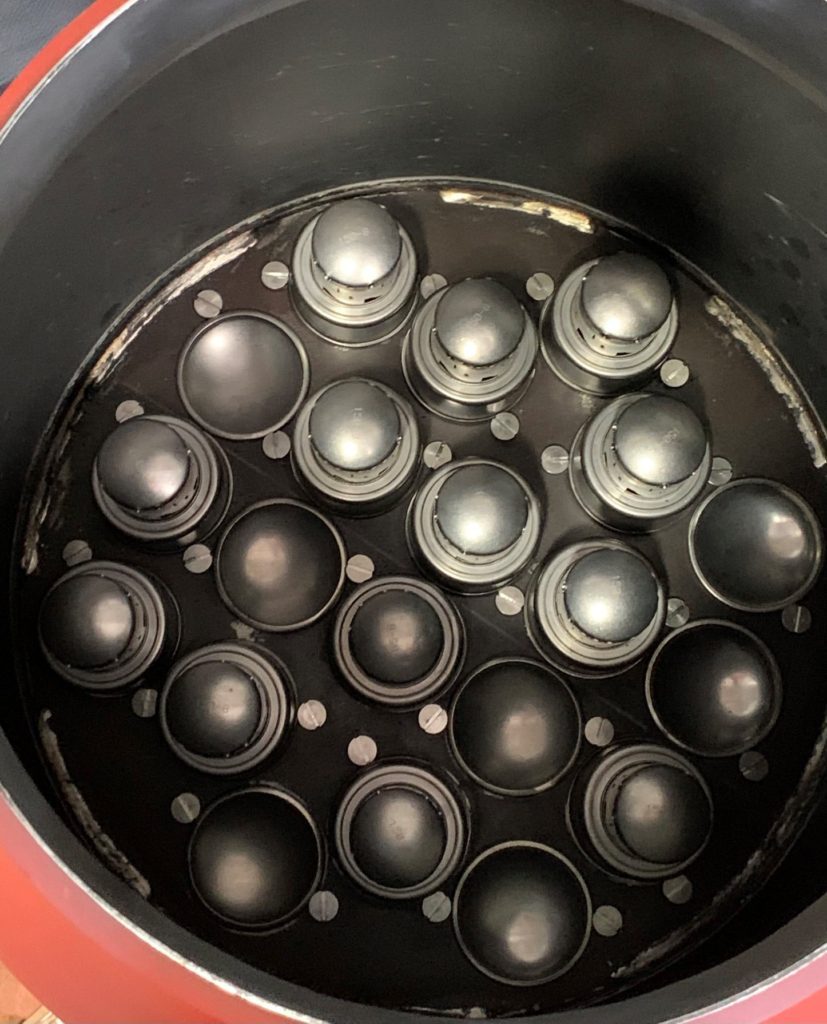
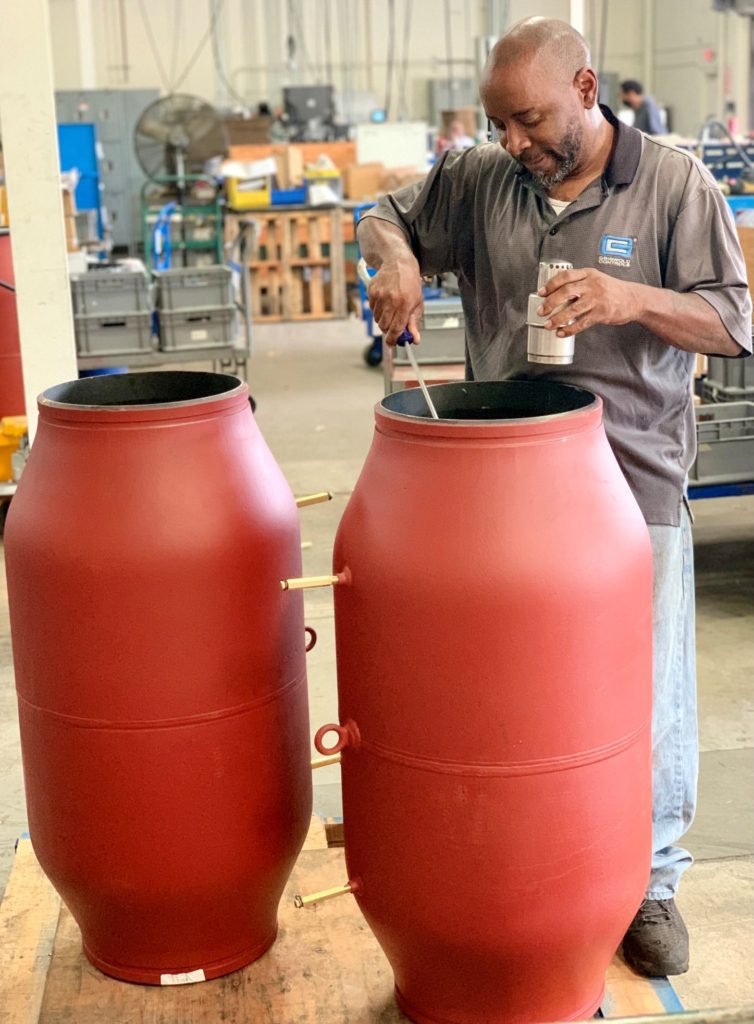
The system utilizes 12” and 14” Grooved End Automatic Flow Limiting Valves. The stainless-steel flow limiting cartridge includes a spring-loaded cup that dynamically absorbs pressure fluctuations caused by changing heating and cooling loads.
These pressure fluctuations occur within a defined pressure differential control range and do not alter the flow through the valve. As a result, the system maintains flow within ±5% of the engineered design flow rate.
This consistent control helps ensure reliable HVAC system performance while supporting the building’s overall energy-efficiency goals.
 Have a question about this or another Featured Project?
Fill out the form below and someone from Griswold Controls will get back to you shortly.
About Equipment Direct Sales, Inc.
Equipment Direct Sales employs a diverse team of sales, engineering, and administrative professionals with over 150 years of combined experience.
Their collective expertise allows them to serve customers quickly and accurately while providing innovative HVAC solutions tailored to each project.